
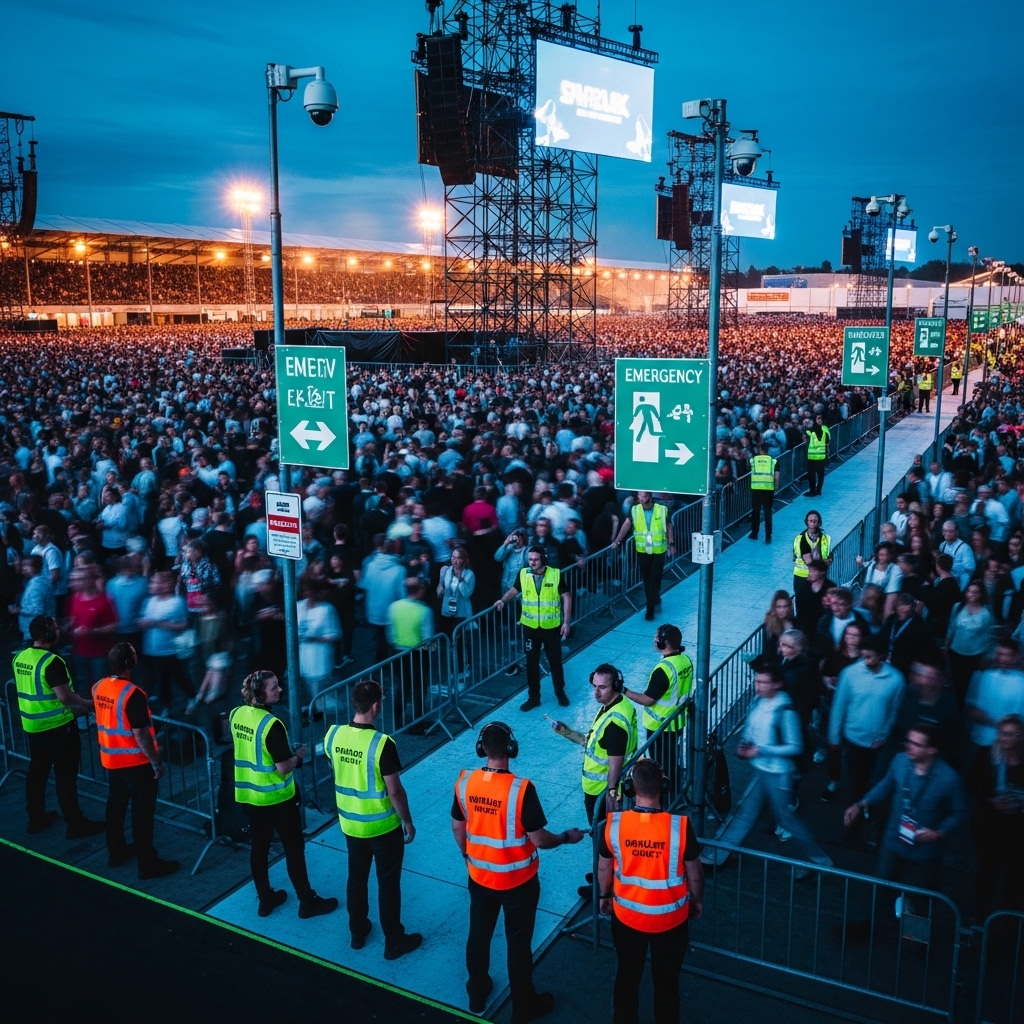
How Event Companies Handle Large Crowds: Expert Insights and Best Practices
As an event enthusiast, you’ve likely attended or organized a large-scale gathering that left you wondering how event companies manage the chaos and ensure a seamless experience for attendees. From concerts to festivals, conferences to weddings, large crowds can be a daunting task to handle. In this blog post, we’ll delve into the strategies and techniques used by event companies to efficiently manage large crowds, ensuring a memorable and enjoyable experience for all.
Understanding Crowd Dynamics
Before we dive into the nitty-gritty of crowd management, it’s essential to understand the basics of crowd dynamics. Crowd behavior is influenced by factors such as density, movement, and emotional state. When people are packed tightly together, they become more susceptible to emotional contagion, which can lead to panic or chaos. Event companies must consider these factors when designing their crowd management plan.
Pre-Event Planning
Effective crowd management begins long before the event takes place. Here are some key strategies event companies employ during the planning phase:
- Risk Assessment: Conducting a thorough risk assessment helps identify potential hazards and vulnerabilities. This includes analyzing the venue, weather conditions, and crowd capacity.
- Crowd Flow Analysis: Visualizing the crowd flow helps event companies identify potential bottlenecks and optimize the layout to ensure a smooth experience.
- Communication Planning: Establishing a clear communication plan ensures that all stakeholders, including attendees, staff, and emergency services, are informed and prepared for the event.
Event-Day Strategies
On the day of the event, event companies employ a range of strategies to manage the crowd:
- Staffing: Adequate staffing is crucial for crowd management. Event companies deploy staff members to monitor the crowd, respond to incidents, and provide assistance.
- Signage: Clear signage helps guide attendees through the event, reducing congestion and confusion.
- Queue Management: Implementing queue management systems, such as ticketing and entry controls, helps regulate the flow of attendees and prevents overcrowding.
- Emergency Response Planning: Having a comprehensive emergency response plan in place ensures that event staff and emergency services are prepared to respond quickly and effectively in the event of an incident.
Technology and Innovation
In recent years, technology has played a significant role in enhancing crowd management. Here are some examples:
- Crowd Analytics: Using data analytics tools, event companies can track crowd density, movement, and behavior in real-time, allowing them to make data-driven decisions.
- Mobile Apps: Mobile apps can provide attendees with important event information, such as schedules, maps, and updates, helping to reduce congestion and improve the overall experience.
- RFID and RFID Technology: RFID technology can be used to track attendee movement, monitor crowd density, and optimize resource allocation.
Best Practices for Event Companies
By following these best practices, event companies can ensure a successful and enjoyable experience for attendees:
- Conduct Regular Risk Assessments: Regular risk assessments help identify potential hazards and vulnerabilities, allowing event companies to proactively mitigate them.
- Invest in Crowd Analytics: Leveraging crowd analytics tools can help event companies make data-driven decisions and optimize their crowd management strategy.
- Develop a Comprehensive Emergency Response Plan: Having a comprehensive emergency response plan in place ensures that event staff and emergency services are prepared to respond quickly and effectively in the event of an incident.
Frequently Asked Questions
Q: How do event companies ensure crowd safety?
A: Event companies take a multi-faceted approach to ensuring crowd safety, including conducting regular risk assessments, deploying staff and security personnel, and implementing emergency response plans.
Q: What role does technology play in crowd management?
A: Technology plays a significant role in crowd management, from tracking crowd density and movement to providing attendees with important event information.
Q: How do event companies handle unexpected incidents?
A: Event companies have comprehensive emergency response plans in place, ensuring that staff and emergency services are prepared to respond quickly and effectively in the event of an incident.
Conclusion
Managing large crowds requires careful planning, attention to detail, and innovative strategies. By understanding crowd dynamics, employing effective pre-event planning strategies, and leveraging technology and innovation, event companies can create a memorable and enjoyable experience for attendees. At RCadia Events, we’re committed to providing expert insights and best practices to help event professionals like you create unforgettable events. For more information on our services and expertise, please visit www.rcadiaevents.in.
About RCadia Events
RCadia Events is a leading event management company specializing in large-scale events, conferences, and festivals. With a team of experienced professionals, we deliver seamless and memorable experiences for attendees. To learn more about our services and expertise, please visit www.rcadiaevents.in.