• Ramamurthy Nagar, Bengaluru
  • Call:+91 72598 26022

Category Archives: MICE Events

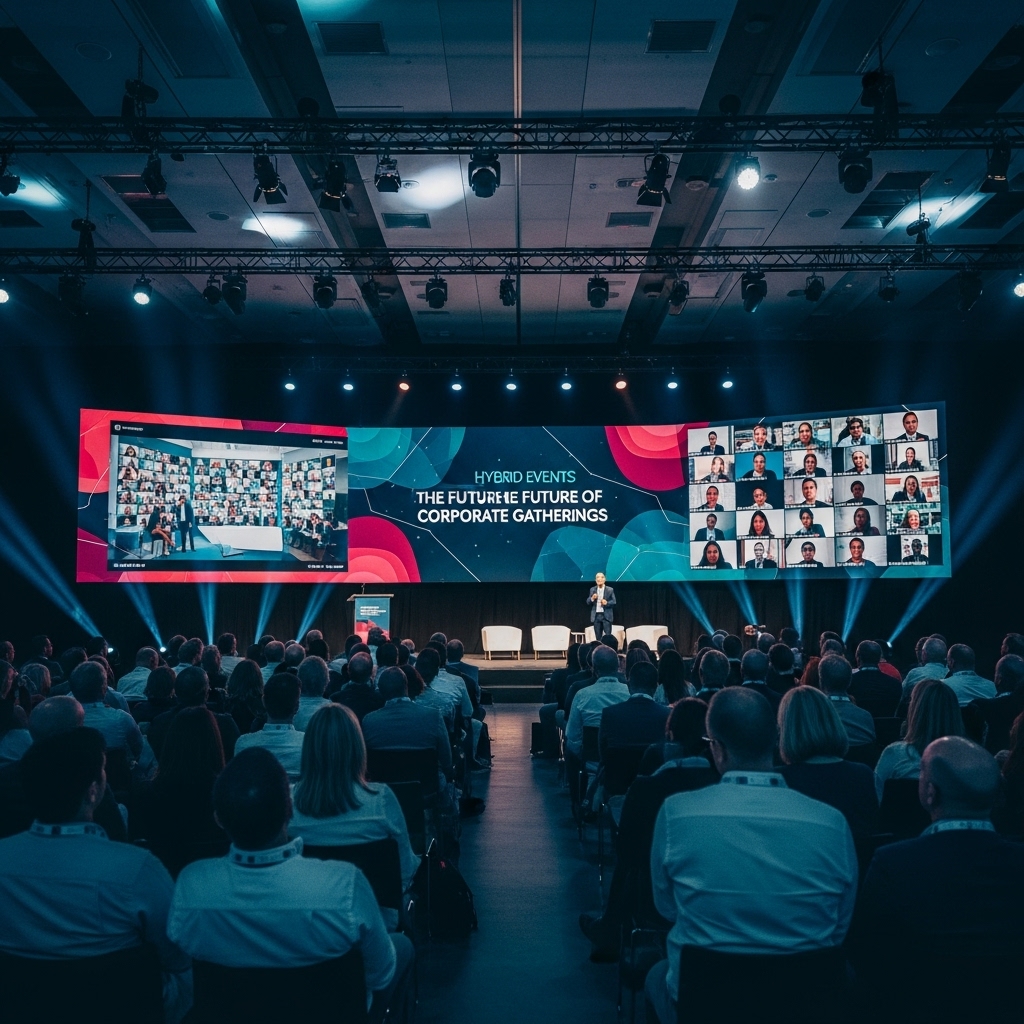
Hybrid Events: The Future of Corporate Gatherings

Hybrid Events: The Future of Corporate Gatherings

As the world continues to evolve, the way we gather for corporate events is also changing. Gone are the days of traditional in-person meetings, replaced by a new era of hybrid events that combine the benefits of online and offline interactions. At RCadia Events, we’ve been at the forefront of this trend, helping businesses and organizations navigate the complexities of hybrid events. In this post, we’ll explore the future of corporate gatherings and why hybrid events are the way forward.

The Rise of Hybrid Events

In recent years, the events industry has experienced a significant shift towards hybrid events. This is largely driven by the need for flexibility, cost-effectiveness, and increased accessibility. According to a recent survey, 71% of event professionals believe that hybrid events will become the norm in the next five years [1]. But what exactly are hybrid events, and why are they gaining popularity?

What are Hybrid Events?

Hybrid events combine the benefits of online and offline interactions, allowing attendees to participate remotely while also providing opportunities for in-person connections. This can include live streaming, virtual attendance, and online engagement tools, all integrated with in-person events. Hybrid events offer a range of benefits, including:

  • Increased accessibility: Attendees from around the world can participate without having to travel.
  • Cost-effectiveness: Reduced travel costs and increased ROI.
  • Flexibility: Attendees can participate from anywhere, at any time.
  • Sustainability: Reduced carbon footprint and environmental impact.

Benefits of Hybrid Events

So, what are the benefits of hybrid events? Here are just a few:

  • Increased Reach: Hybrid events allow you to reach a global audience, increasing your event’s visibility and impact.
  • Improved Engagement: Online engagement tools and live streaming can increase attendee participation and interaction.
  • Cost Savings: Reduced travel costs and increased ROI can make hybrid events a more cost-effective option.
  • Enhanced Experience: Hybrid events can provide a more immersive and engaging experience for attendees.

Designing a Successful Hybrid Event

While hybrid events offer many benefits, they also require careful planning and execution. Here are some tips for designing a successful hybrid event:

  • Define Your Goals: Clearly define your event’s objectives and target audience.
  • Choose the Right Technology: Select the right online engagement tools and platforms to ensure seamless integration.
  • Plan for Logistics: Ensure that all logistical aspects of the event are planned and executed smoothly.
  • Test and Rehearse: Test and rehearse all elements of the event to ensure a smooth and successful execution.

Frequently Asked Questions

Q: What is the difference between a hybrid event and a virtual event?
A: A hybrid event combines online and offline interactions, while a virtual event is solely online.

Q: How do I choose the right technology for my hybrid event?
A: Consider your event’s objectives, target audience, and technical requirements when selecting the right technology.

Q: How do I ensure a seamless transition between online and offline elements?
A: Plan and rehearse all elements of the event to ensure a smooth and successful execution.

Conclusion

Hybrid events are the future of corporate gatherings, offering a range of benefits that include increased accessibility, cost-effectiveness, and flexibility. By understanding the benefits and challenges of hybrid events, businesses and organizations can design and execute successful events that meet their objectives and engage their audiences. At RCadia Events, we’re committed to helping you navigate the complexities of hybrid events and creating memorable experiences for your attendees. Contact us today to learn more.

References

[1] EventMB Survey: The Future of Events

Related Articles

Budget Planning for Corporate Events

Budget Planning for Corporate Events: A Comprehensive Guide

As a business owner or event planner in [City], you’re likely no stranger to the importance of corporate events in building relationships, driving sales, and boosting employee morale. However, with so many moving parts and stakeholders involved, it’s easy to get overwhelmed by the financial aspects of planning a successful event. That’s why we’re here to help you navigate the world of budget planning for corporate events.

Understanding Your Event Budget

Before diving into the nitty-gritty of budget planning, it’s essential to understand the concept of an event budget. In simple terms, your event budget is a comprehensive plan that outlines projected income and expenses for your corporate event. This budget serves as a roadmap, helping you make informed decisions and stay on track throughout the planning process.

Setting a Realistic Budget

So, how do you set a realistic budget for your corporate event? Here are a few key steps to follow:

  • Determine the purpose and scope of your event: What are your goals, and what type of event do you want to host?
  • Identify your target audience: Who are you trying to reach, and what are their expectations?
  • Research and gather data: Look at industry trends, competitor events, and past events to inform your budget decisions.
  • Prioritize your spending: Identify the most critical elements of your event and allocate your budget accordingly.

Common Budget Breakdowns

When it comes to budgeting for a corporate event, there are several key areas to consider. Here are some common budget breakdowns to keep in mind:

  • Venue and Catering: This is often the largest single expense for corporate events, accounting for around 40-50% of the total budget.
  • Audio-Visual and Technology: As technology continues to play a bigger role in events, this category is becoming increasingly important, accounting for around 10-20% of the total budget.
  • Entertainment and Activities: This can include everything from live music to team-building exercises, and typically accounts for around 10-20% of the total budget.
  • Marketing and Promotion: This includes all the efforts you put into promoting your event, such as social media advertising and email marketing, and typically accounts for around 5-10% of the total budget.
  • Miscellaneous: This can include everything from travel and accommodations to equipment rentals and supplies, and typically accounts for around 5-10% of the total budget.

Tips for Sticking to Your Budget

So, you’ve set your budget and are ready to start planning your corporate event. But how do you ensure that you stay on track and avoid overspending? Here are a few key tips to keep in mind:

  • Create a detailed budget plan: Break down your expenses into specific categories, and allocate funds accordingly.
  • Track your expenses: Keep a close eye on your spending, and make adjustments as needed.
  • Negotiate with vendors: Whether it’s the venue, catering, or entertainment, don’t be afraid to negotiate and get the best possible deal.
  • Plan for contingencies: Things don’t always go according to plan, so make sure you have a plan B (and C, and D, etc.).

Frequently Asked Questions

We know that budget planning for corporate events can be overwhelming, so we’ve put together a few frequently asked questions to help you navigate the process:

Q: How much should I budget for food and beverage at my corporate event?
A: The cost of food and beverage can vary wildly depending on the type of event, location, and number of guests. As a general rule, plan to spend around $50-75 per person for a full-day event.

Q: What’s the best way to cut costs at my corporate event?
A: One of the easiest ways to cut costs is to choose an off-peak or non-peak season for your event. You can also consider hosting your event during the day instead of at night, or opting for a more casual, buffet-style meal instead of a formal sit-down dinner.

Q: How do I know if I’ve budgeted enough for my corporate event?
A: Take a close look at your budget plan and prioritize your spending. If you find that you’re struggling to allocate funds for a specific area, consider cutting costs in another area or adjusting your expectations.

Conclusion

Budget planning for corporate events is a complex and nuanced process, but with the right guidance and tools, you can create a successful and memorable event that meets your goals and stays within your budget. By following the tips and best practices outlined in this guide, you’ll be well on your way to hosting an event that your guests will be talking about for years to come.

At RCadia Events, we understand the importance of budget planning for corporate events. That’s why we offer a range of services designed to help you stay on track and within budget. From venue selection to catering and entertainment, we’ve got you covered. Contact us today to learn more about how we can help you plan a successful and affordable corporate event.

Additional Resources

  • [Link to RCadia Events’ blog post on “How to Choose the Right Venue for Your Corporate Event”]
  • [Link to RCadia Events’ blog post on “The Ultimate Guide to Corporate Event Planning”]
  • [Link to RCadia Events’ services page]

By following the tips and best practices outlined in this guide, you’ll be well on your way to hosting a successful and memorable corporate event that meets your goals and stays within your budget. Remember to stay focused, prioritize your spending, and don’t be afraid to ask for help when you need it. With the right guidance and tools, you can create an event that your guests will be talking about for years to come.

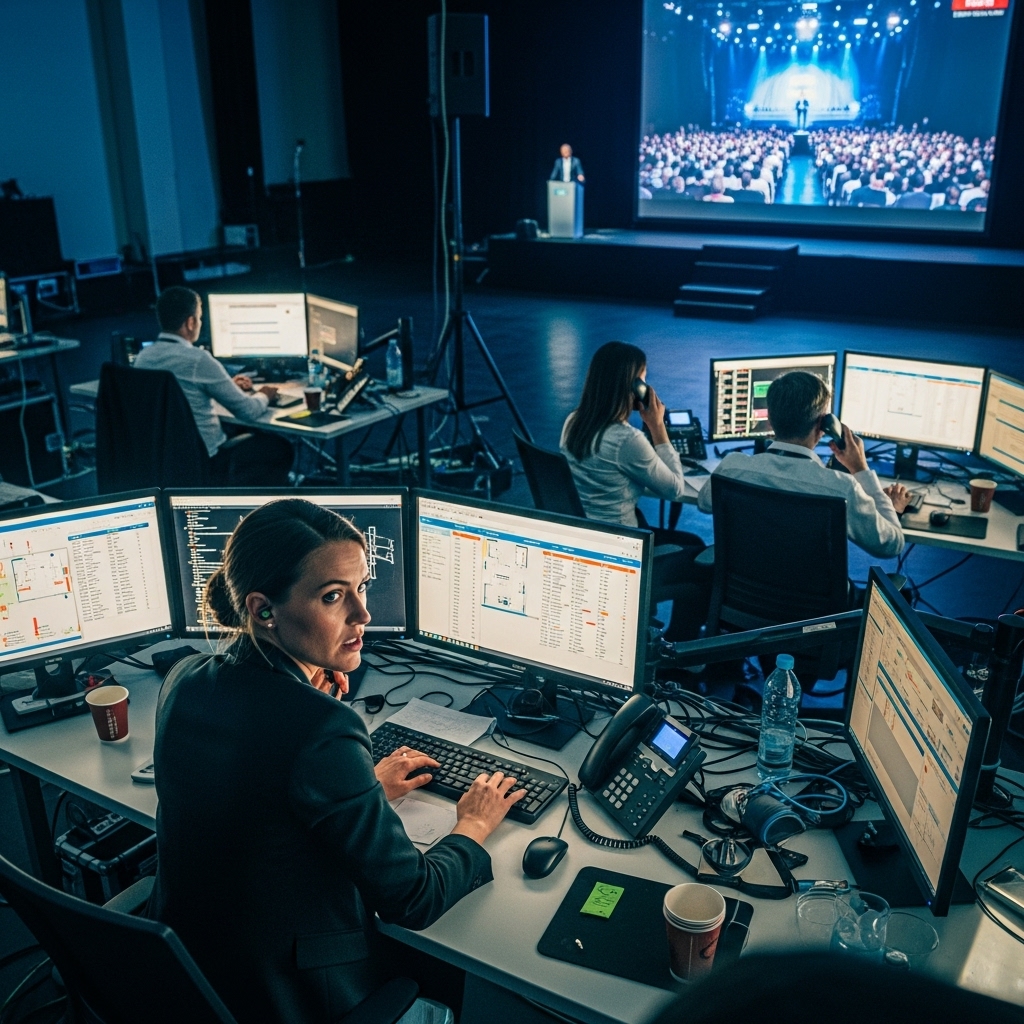
How Event Agencies Handle Large-Scale Corporate Events

How Event Agencies Handle Large-Scale Corporate Events: A Comprehensive Guide

As a local event agency, we’ve had the privilege of working with numerous corporate clients to plan and execute large-scale events that leave a lasting impression. Whether it’s a product launch, annual conference, or team-building retreat, we understand the importance of delivering exceptional experiences that meet and exceed expectations.

Understanding the Challenges of Large-Scale Corporate Events

Large-scale corporate events require meticulous planning, attention to detail, and a deep understanding of the client’s goals and objectives. As event agencies, we face numerous challenges when handling such events, including:

  • Coordinating with multiple stakeholders, including clients, vendors, and suppliers
  • Managing logistics, transportation, and accommodation for a large number of attendees
  • Ensuring seamless execution of complex event schedules and timelines
  • Providing exceptional customer service and resolving any issues that may arise
  • Delivering unique and engaging experiences that meet the client’s brand and messaging objectives

The Role of Event Agencies in Planning Large-Scale Corporate Events

At RCadia Events, we take pride in our ability to handle every aspect of large-scale corporate events, from conceptualization to execution. Our team of experienced event professionals works closely with clients to understand their objectives, preferences, and budget to craft a customized event strategy that meets their needs. Here are some key services we offer:

  • Event Conceptualization and Planning: We work with clients to develop a clear understanding of their event goals, objectives, and target audiences. We then create a comprehensive event plan that outlines every detail, from venue selection to catering and entertainment.
  • Venue Selection and Management: We have an extensive network of contacts and relationships with venues, allowing us to secure the best possible spaces for our clients’ events. We also manage all aspects of venue logistics, including setup, décor, and amenities.
  • Logistics and Coordination: We coordinate with vendors, suppliers, and stakeholders to ensure seamless execution of event logistics, including transportation, accommodation, and catering.
  • Marketing and Promotion: We develop and execute comprehensive marketing and promotion strategies to drive attendance, engagement, and brand awareness.
  • Event Execution and Management: Our experienced event managers oversee every aspect of event execution, from setup to teardown, ensuring that every detail is managed to perfection.

Best Practices for Successful Large-Scale Corporate Events

While experience and expertise are essential, there are several best practices that event agencies can follow to ensure the success of large-scale corporate events:

  • Clear Communication: Establish open and clear communication channels with clients, vendors, and stakeholders to ensure everyone is on the same page.
  • Thorough Planning: Develop a comprehensive event plan that outlines every detail, from logistics to marketing and promotion.
  • Attention to Detail: Pay attention to every detail, from venue selection to catering and entertainment, to ensure that every aspect of the event meets the client’s expectations.
  • Flexibility: Be prepared to adapt to last-minute changes or unexpected issues that may arise during the event.

Frequently Asked Questions

Q: What is the most important factor to consider when planning a large-scale corporate event?
A: Clear communication is key to planning a successful large-scale corporate event. Establishing open and clear communication channels with clients, vendors, and stakeholders ensures that everyone is on the same page and helps to prevent misunderstandings and miscommunications.

Q: How do I choose the right event agency for my large-scale corporate event?
A: When selecting an event agency, consider their experience, expertise, and reputation in the industry. Look for an agency that has a proven track record of delivering successful events and has a team of experienced event professionals.

Q: What are some common mistakes to avoid when planning a large-scale corporate event?
A: Some common mistakes to avoid when planning a large-scale corporate event include:

  • Not having a clear understanding of the client’s goals and objectives
  • Not establishing clear communication channels with vendors and stakeholders
  • Not having a comprehensive event plan in place
  • Not being prepared to adapt to last-minute changes or unexpected issues

Conclusion

Planning and executing a large-scale corporate event requires meticulous planning, attention to detail, and a deep understanding of the client’s goals and objectives. At RCadia Events, we have the expertise and experience to handle every aspect of large-scale corporate events, from conceptualization to execution. By following best practices and avoiding common mistakes, event agencies can deliver exceptional experiences that meet and exceed client expectations.

Ready to plan your next large-scale corporate event? Contact us today to learn more about our services and how we can help you deliver a successful and memorable event. Visit our website to explore our event planning services and get a quote for your next event.

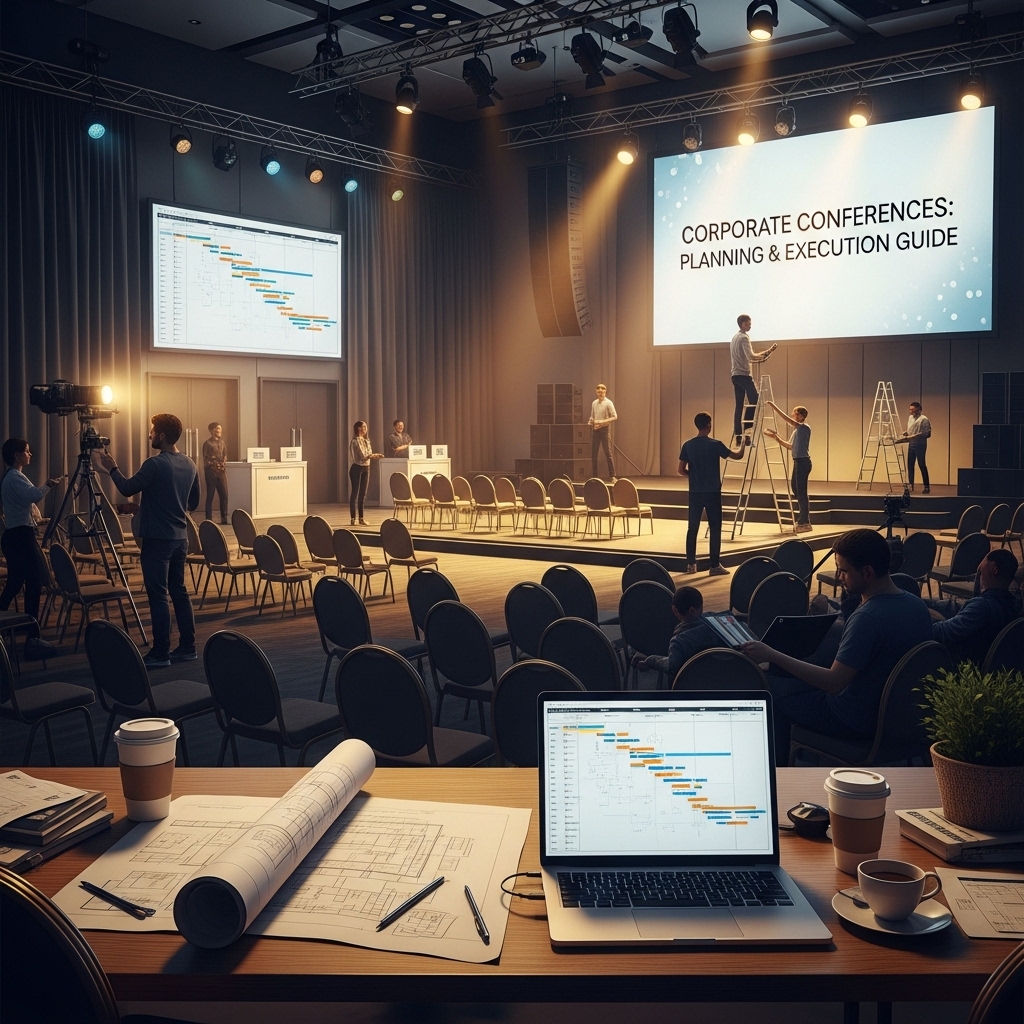
Corporate Conferences: Planning & Execution Guide

Mastering the Art of Corporate Conferences: A Comprehensive Planning and Execution Guide

As a leading event management company in India, we at RCadia Events understand the importance of corporate conferences in fostering collaboration, networking, and knowledge sharing among employees, clients, and industry partners. A well-planned and executed corporate conference can be a game-changer for any organization, driving growth, innovation, and success. In this blog post, we will share our expertise on how to plan and execute a successful corporate conference that meets your objectives and exceeds your attendees’ expectations.

Pre-Planning: Setting the Stage for Success

Before diving into the details of planning and execution, it’s essential to define the purpose and objectives of your corporate conference. What do you want to achieve from this event? Is it to launch a new product, discuss industry trends, or recognize employee achievements? Once you have a clear understanding of your objectives, you can start building a team to plan and execute the event.

  • Identify the target audience: Who are the attendees, and what are their interests and expectations?
  • Set a realistic budget: Determine how much you are willing to spend on the event, including venue rental, catering, and audio-visual equipment.
  • Choose a suitable venue: Select a location that is easily accessible, has ample parking, and can accommodate your expected number of attendees.
  • Create a schedule: Plan the agenda, including keynotes, panel discussions, workshops, and networking sessions.

Content Creation: Crafting a Compelling Program

A successful corporate conference requires a well-crafted program that engages and informs attendees. Here are some tips to help you create a compelling program:

  • Develop a theme: Choose a theme that ties in with your event objectives and resonates with your target audience.
  • Identify key speakers: Select experts in their fields who can deliver high-quality presentations and insights.
  • Plan interactive sessions: Incorporate workshops, panel discussions, and group activities to encourage participation and engagement.
  • Create a content calendar: Plan and schedule your content in advance, including speaker presentations, videos, and social media posts.

Logistics and Operations: Ensuring a Smooth Execution

Logistics and operations are critical to the success of a corporate conference. Here are some tips to help you plan and execute a smooth event:

  • Manage attendee registration: Create an online registration system and track attendee RSVPs and dietary requirements.
  • Coordinate logistics: Arrange for catering, audio-visual equipment, and other necessary services.
  • Plan for contingencies: Prepare for unexpected situations, such as last-minute cancellations or technical issues.
  • Create a communication plan: Establish a communication plan to keep attendees informed about the event schedule, speakers, and any changes.

Marketing and Promotion: Spreading the Word

A well-planned marketing and promotion strategy can help you attract a larger audience and increase engagement. Here are some tips to help you promote your corporate conference:

  • Create a website: Build a dedicated website for your event, including event details, speaker profiles, and registration information.
  • Leverage social media: Utilize social media platforms to promote your event, share updates, and engage with attendees.
  • Send out invitations: Design and send out personalized invitations to attendees, speakers, and sponsors.
  • Partner with influencers: Collaborate with industry influencers and thought leaders to promote your event.

Frequently Asked Questions

Q: How do I choose the right venue for my corporate conference?
A: Consider factors such as accessibility, parking, and amenities when selecting a venue. You can also check out our list of recommended venues on rcadiaevents.in.

Q: What are some creative ways to engage attendees during a corporate conference?
A: Incorporate interactive sessions, such as workshops, panel discussions, and group activities, to encourage participation and engagement.

Q: How do I measure the success of my corporate conference?
A: Track attendee feedback, evaluate the event’s impact on your organization, and measure the return on investment (ROI) to determine the success of your event.

Conclusion

Planning and executing a successful corporate conference requires careful planning, attention to detail, and a clear understanding of your objectives. By following the tips and best practices outlined in this guide, you can create an event that exceeds your attendees’ expectations and drives growth and innovation for your organization. At RCadia Events, we are committed to helping you achieve your event goals. Contact us today to learn more about our corporate conference planning services.

Additional Resources

Note: The links provided are internal links to relevant pages on rcadiaevents.in, which can help drive traffic and increase engagement.