• Ramamurthy Nagar, Bengaluru
  • Call:+91 72598 26022

Author Archives: admin

The Ultimate Guide to Planning a Memorable Corporate Event in Rajasthan

As the sun sets over the majestic forts and palaces of Rajasthan, the state’s rich cultural heritage and stunning landscapes beckon event planners from around the world. Whether you’re looking to host a product launch, team-building exercise, or client appreciation event, Rajasthan offers a unique and unforgettable setting for your corporate event. In this comprehensive guide, we’ll take you through the process of planning a memorable corporate event in Rajasthan, tailored to your specific needs and preferences.

Step 1: Define Your Event Objectives

Before starting to plan your corporate event, it’s essential to define your objectives. What do you want to achieve from your event? Are you looking to:

  • Launch a new product or service?
  • Build relationships with clients or partners?
  • Reward and motivate your team?
  • Create brand awareness and visibility?
  • Network with industry peers?

Clearly defining your objectives will help you stay focused and ensure that your event aligns with your business goals.

Step 2: Choose the Right Venue

Rajasthan is home to a diverse range of venues, from luxurious hotels and resorts to historic forts and palaces. When selecting a venue, consider the following factors:

  • Capacity: How many guests do you plan to invite?
  • Amenities: Do you need meeting rooms, restaurants, and recreational facilities?
  • Ambiance: What kind of atmosphere do you want to create for your guests?
  • Accessibility: Is the venue easily accessible by road or air?

Some popular venues in Rajasthan include:

  • The Oberoi Udaivilas, Udaipur: A luxurious hotel with stunning views of the Lake Pichola.
  • The Leela Palace, Jaipur: A majestic palace hotel with opulent decor and world-class amenities.
  • The Ranthambore Fort, Ranthambore: A historic fort with stunning views of the surrounding countryside.

Step 3: Plan Your Event Activities

Once you’ve selected your venue, it’s time to plan your event activities. Here are a few ideas to get you started:

  • Team-building exercises: Consider organizing activities such as treasure hunts, cooking classes, or outdoor games to encourage team bonding.
  • Product launches: Use your event as an opportunity to launch a new product or service, complete with product demonstrations and interactive sessions.
  • Client appreciation events: Treat your clients to a luxurious dinner or a relaxing spa day, complete with personalized service and attention to detail.
  • Networking sessions: Organize roundtable discussions, workshops, or panel sessions to facilitate networking and knowledge sharing among your guests.

Step 4: Manage Your Event Logistics

To ensure a smooth and successful event, it’s essential to manage your event logistics carefully. Here are a few tips to keep in mind:

  • Timeline management: Create a detailed timeline for your event, including setup, registration, and teardown.
  • Vendor management: Hire reputable vendors for catering, audio-visual equipment, and other event services.
  • Communication: Ensure that all stakeholders, including your guests, vendors, and team members, are informed and updated throughout the event planning process.

Step 5: Promote Your Event

To maximize attendance and engagement, it’s essential to promote your event effectively. Here are a few ideas to get you started:

  • Social media marketing: Use social media platforms to create buzz around your event, including Facebook, Twitter, and LinkedIn.
  • Email marketing: Send targeted email campaigns to your guests, partners, and stakeholders to promote your event.
  • Print marketing: Use print media, such as brochures and flyers, to promote your event to a wider audience.
  • Influencer marketing: Partner with influencers or thought leaders in your industry to promote your event to their followers.

Frequently Asked Questions

  • Q: What are the best times of year to host a corporate event in Rajasthan?

A: The best times to host a corporate event in Rajasthan are during the winter months (October to February), when the weather is mild and pleasant.

  • Q: What kind of activities can I organize for my guests?

A: You can organize a wide range of activities, including team-building exercises, product launches, client appreciation events, and networking sessions.

  • Q: How can I ensure a smooth and successful event?

A: To ensure a smooth and successful event, it’s essential to manage your event logistics carefully, including timeline management, vendor management, and communication.

Conclusion

Planning a memorable corporate event in Rajasthan requires careful planning, attention to detail, and a clear understanding of your objectives. By following the steps outlined in this guide, you can create an unforgettable experience for your guests and achieve your business goals. At RCadia Events, we specialize in planning and executing corporate events in Rajasthan, and we’re here to help you every step of the way.

Get in touch with us today to learn more about how we can help you plan a memorable corporate event in Rajasthan.

rcadiaevents.in

Note: The above content is a sample and may need to be modified according to the specific requirements of the client.

Importance of Client Communication in Event Planning

The Power of Client Communication in Event Planning: Why It’s the Key to Success

As an event planner, you understand the importance of attention to detail and precision in bringing your client’s vision to life. One of the most critical aspects of a successful event is effective client communication. In this blog post, we’ll explore the significance of client communication in event planning, the benefits it brings, and provide tips on how to improve your communication skills.

Why Client Communication is Vital in Event Planning

Client communication is the foundation of a successful event planning process. It’s the glue that holds everything together, ensuring that your client’s expectations are met, and their vision is brought to life. Here are a few reasons why client communication is vital:

  • Clear Expectations: Client communication helps establish clear expectations from the onset, avoiding misunderstandings and miscommunications that can lead to costly changes or last-minute adjustments.
  • Trust and Loyalty: When clients feel heard and understood, they’re more likely to trust your expertise and loyalty to your services. This trust can lead to repeat business and referrals.
  • Efficient Problem-Solving: Effective communication enables you to identify and address potential issues promptly, minimizing the risk of last-minute changes or cancellations.
  • Enhanced Client Experience: By keeping clients informed throughout the planning process, you can ensure they feel valued, respected, and excited about the event.

Benefits of Effective Client Communication

Effective client communication has numerous benefits, including:

  • Reduced Stress: When clients feel informed and involved, they’re less likely to feel anxious or stressed about the event.
  • Increased Satisfaction: By meeting client expectations and exceeding their expectations, you can increase client satisfaction and loyalty.
  • Improved Collaboration: Open communication fosters a collaborative environment, allowing you to work together with vendors, venues, and other stakeholders to bring the event to life.

Tips for Improving Client Communication

  1. Set Clear Expectations: Establish a clear communication plan, outlining how you’ll communicate with clients, what information will be shared, and how often.
  2. Use Multiple Channels: Utilize various communication channels, such as email, phone, and in-person meetings, to cater to different client preferences.
  3. Be Proactive: Anticipate client needs and concerns, addressing them promptly to avoid misunderstandings.
  4. Ask Questions: Encourage clients to ask questions and provide feedback, ensuring they feel heard and understood.
  5. Provide Regular Updates: Keep clients informed throughout the planning process, sharing updates on progress, timelines, and any changes.

Frequently Asked Questions

  1. How do I ensure effective client communication in a fast-paced event planning environment?

* Prioritize client communication, setting aside dedicated time for calls, emails, or meetings. Use tools like project management software to stay organized and on track.

  1. What are some common miscommunications that can arise in event planning?

* Misunderstandings about timelines, budgets, or expectations can lead to costly changes or last-minute adjustments. Regular check-ins and clear communication can help prevent these miscommunications.

  1. How can I ensure client satisfaction with my event planning services?

* Focus on building trust and rapport with your clients, keeping them informed throughout the planning process, and exceeding their expectations.

Conclusion

Client communication is the backbone of successful event planning. By understanding the importance of clear communication, you can build trust, reduce stress, and increase client satisfaction. By implementing effective communication strategies, you can ensure your clients feel valued, respected, and excited about their event. At RCadia Events, we understand the importance of client communication and strive to provide exceptional service to our clients. Visit our website to learn more about our event planning services.

Additional Resources

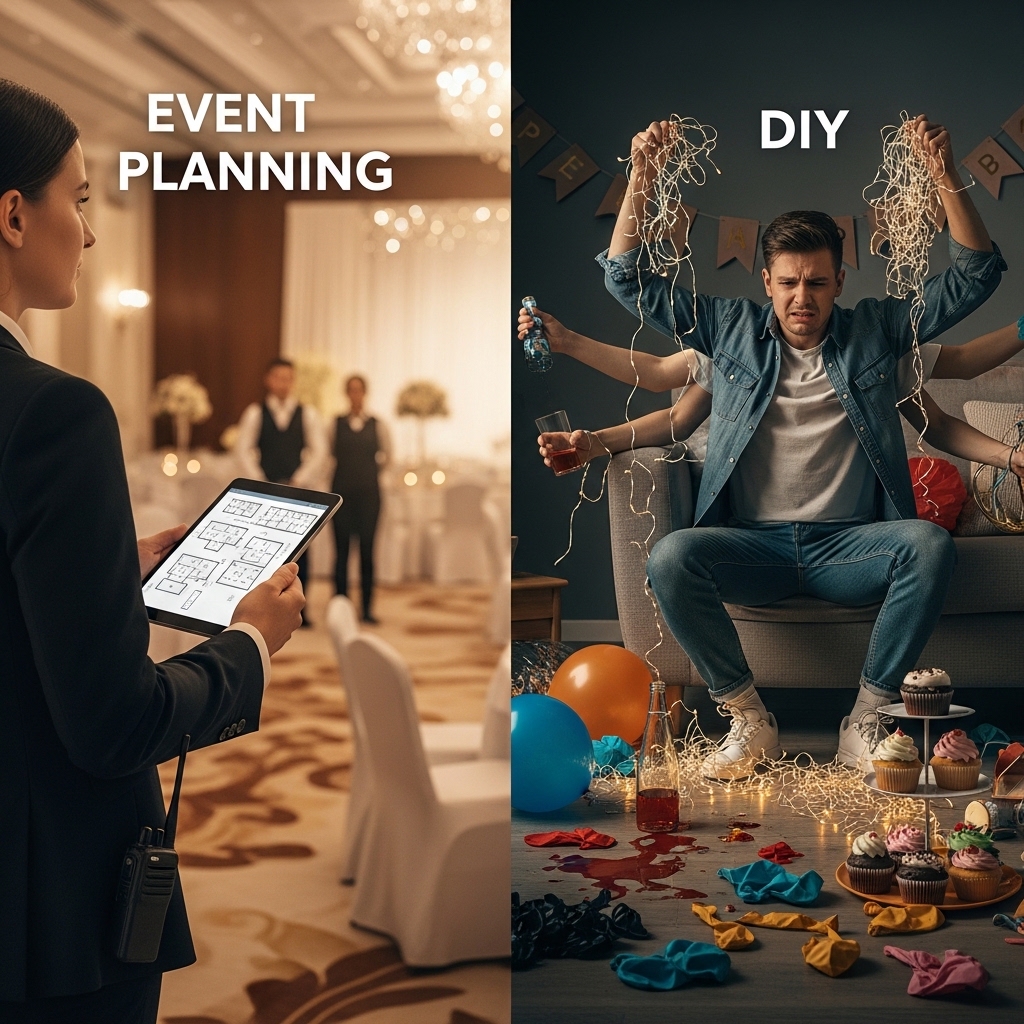
Event Planning vs DIY: Which Is Better?

Event Planning vs DIY: Which Is Better for Your Next Celebration?

As a resident of [City], you’re likely no stranger to the excitement and joy that comes with planning a special event. Whether it’s a birthday party, wedding, or corporate gathering, the pressure to create an unforgettable experience can be overwhelming. Two popular approaches to event planning are often debated among party enthusiasts: hiring a professional event planner or going the DIY route. In this article, we’ll delve into the pros and cons of each option to help you make an informed decision for your next celebration.

The Benefits of Hiring a Professional Event Planner

When you hire a professional event planner, you’re investing in a team of experts who will take care of every detail, from concept to execution. Here are some benefits to consider:

  • Expertise: Event planners have years of experience and knowledge in the industry, ensuring that your event is executed flawlessly.
  • Time-Saving: By outsourcing the planning process, you’ll save time and energy that would be spent on researching, coordinating, and executing every aspect of the event.
  • Stress Reduction: A professional event planner will handle all the logistics, allowing you to focus on enjoying the celebration with your guests.
  • Customization: With a professional planner, you can customize every aspect of the event to fit your unique style and preferences.
  • Connections: Event planners often have established relationships with vendors, venues, and suppliers, which can lead to better pricing and services.

At RCadia Events, our team of experts has years of experience in planning and executing events of all sizes and types. We understand the importance of attention to detail and will work closely with you to bring your vision to life. Link to RCadia Events’ event planning services page

The Pros and Cons of Going the DIY Route

While hiring a professional event planner can be beneficial, some people may prefer to take on the planning process themselves. Here are some pros and cons to consider:

Pros:

  • Cost-Effective: Planning an event yourself can be a cost-effective option, as you won’t have to pay for a planner’s services.
  • Creative Control: By taking on the planning process yourself, you’ll have complete creative control over every aspect of the event.
  • Personal Touch: A DIY approach can add a personal touch to the event, making it more meaningful and memorable.

Cons:

  • Time-Consuming: Planning an event yourself can be a time-consuming process, requiring hours of research, coordination, and execution.
  • Stressful: Without the support of a professional planner, you may feel overwhelmed and stressed by the planning process.
  • Limited Resources: Without established connections with vendors and suppliers, you may struggle to find the best options for your event.

Frequently Asked Questions

Q: How do I know if I need a professional event planner?
A: If you’re feeling overwhelmed by the planning process or don’t have the time or expertise to execute every detail, it may be beneficial to hire a professional event planner.

Q: Can I still have a unique and memorable event if I plan it myself?
A: Absolutely! With some creativity and planning, you can create a unique and memorable event even without the help of a professional planner.

Q: What are the most important things to consider when hiring an event planner?
A: When hiring an event planner, consider their experience, reputation, and communication style. It’s also essential to discuss your budget and expectations clearly to ensure a successful partnership.

Conclusion

Whether you choose to hire a professional event planner or go the DIY route, the key to a successful event is careful planning and attention to detail. At RCadia Events, we understand the importance of creating unforgettable experiences and will work closely with you to bring your vision to life. If you’re unsure about which approach is best for your next celebration, don’t hesitate to contact us for guidance. With our expertise and support, you can create an event that will be remembered for years to come.

How to Measure Event Success

How to Measure Event Success: A Comprehensive Guide

As an event planner, you’ve invested countless hours, resources, and effort into organizing a successful event. But, have you ever stopped to think about how you’ll measure its success? Measuring event success is crucial to understanding what worked and what didn’t, and to making data-driven decisions for future events. In this comprehensive guide, we’ll walk you through the essential steps to measure event success and provide you with practical tips to get started.

Defining Event Success

Before we dive into the metrics, it’s essential to define what success means to you. Is it attendance numbers, engagement, brand awareness, or revenue generation? Identify your event goals and objectives to determine the key performance indicators (KPIs) that will measure your success.

Event Success Metrics

There are numerous metrics to measure event success, and the most relevant ones will depend on your event type and goals. Here are some of the most common metrics:

  • Attendance: The number of attendees, including registration numbers, walk-ins, and cancellations.
  • Engagement: Social media engagement, such as likes, shares, comments, and followers.
  • Feedback: Attendee surveys, evaluations, and feedback forms.
  • Revenue: Ticket sales, sponsorships, and revenue generated from the event.
  • Brand Awareness: Media coverage, social media mentions, and brand mentions.

Measuring Event Success

Now that you have your event goals and objectives, it’s time to measure your success. Here are some practical tips to get started:

  • Track Attendance: Use registration software, such as RCadia Events, to track attendance numbers and demographics.
  • Monitor Social Media: Use social media analytics tools, such as Hootsuite, to track engagement and monitor social media conversations about your event.
  • Gather Feedback: Use feedback forms, surveys, or evaluation sheets to collect attendee feedback and opinions.
  • Measure Revenue: Track ticket sales, sponsorships, and revenue generated from the event using accounting software, such as QuickBooks.
  • Track Brand Awareness: Monitor media coverage, social media mentions, and brand mentions using tools, such as Brandwatch.

Frequently Asked Questions

Q: What is the most important metric to measure event success?
A: The most important metric to measure event success is attendance, as it directly impacts revenue and brand awareness.

Q: How can I measure event engagement?
A: You can measure event engagement by tracking social media engagement, such as likes, shares, and comments, and by monitoring attendee feedback and opinions.

Q: What is the best way to gather feedback from attendees?
A: The best way to gather feedback from attendees is by using feedback forms, surveys, or evaluation sheets, and by sending follow-up emails to attendees after the event.

Q: How can I measure event revenue?
A: You can measure event revenue by tracking ticket sales, sponsorships, and revenue generated from the event using accounting software, such as QuickBooks.

Conclusion

Measuring event success is crucial to understanding what worked and what didn’t, and to making data-driven decisions for future events. By tracking attendance, engagement, feedback, revenue, and brand awareness, you’ll be able to identify areas for improvement and optimize your events for maximum success. Remember to define your event goals and objectives, track relevant metrics, and gather feedback from attendees to measure event success.

At RCadia Events, we understand the importance of measuring event success and providing event planners with the tools and resources they need to succeed. Our event management software and services are designed to help you track attendance, monitor social media engagement, and measure revenue and brand awareness. Contact us today to learn more about how we can help you measure event success.

Learn more about RCadia Events’ event management software and services.