
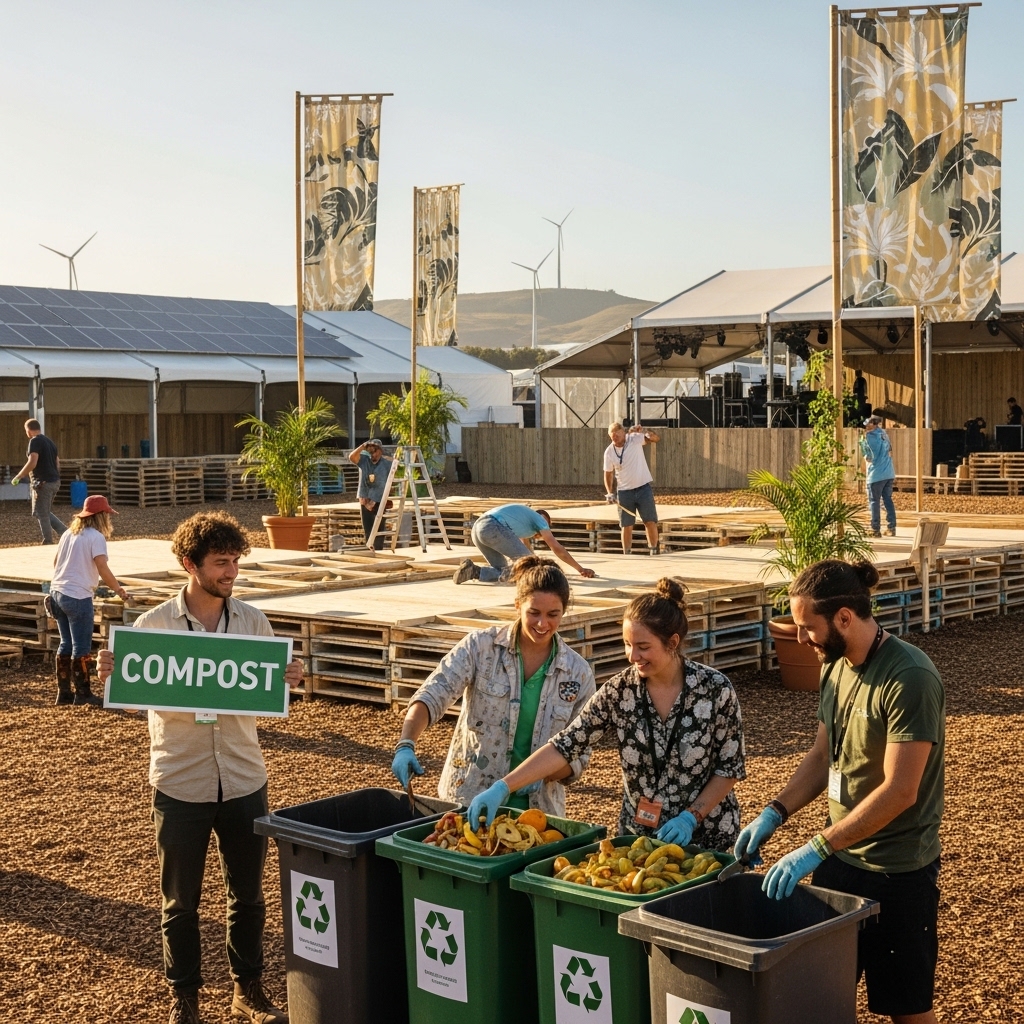
Sustainable Event Management Practices: A Guide for a Greener Tomorrow
As the world continues to grapple with the challenges of climate change, sustainable event management practices have become an essential aspect of event planning. With the average event generating over 100 pounds of waste and emitting over 100 tons of carbon dioxide, it’s crucial for event professionals to adopt eco-friendly strategies to minimize their environmental footprint. In this comprehensive guide, we’ll explore the importance of sustainable event management practices and provide actionable tips to help you plan a green event that’s both memorable and sustainable.
The Importance of Sustainable Event Management
Sustainable event management is not just a buzzword; it’s a necessary step towards reducing the environmental impact of events. Here are some compelling reasons why sustainable event management is essential:
- Reduced Carbon Footprint: Events have a significant impact on the environment, from transportation to energy consumption. By adopting sustainable practices, you can reduce your carbon footprint and contribute to a cleaner environment.
- Cost Savings: Sustainable events often result in cost savings due to reduced waste, energy consumption, and transportation costs. This can help you allocate more resources to other important aspects of your event.
- Improved Brand Image: Hosting a sustainable event can enhance your brand image and demonstrate your commitment to social responsibility.
- Enhanced Attendee Experience: Sustainable events often provide a unique and memorable experience for attendees, who appreciate the effort you put into reducing your environmental impact.
Sustainable Event Management Strategies
Here are some practical strategies to help you plan a sustainable event:
Venue Selection
- Choose a venue with a strong sustainability policy: Look for venues that have implemented sustainable practices, such as energy-efficient lighting and recycling programs.
- Opt for a venue with public transportation options: Encourage attendees to use public transportation by selecting a venue with convenient access to public transportation.
- Consider a venue with outdoor spaces: Outdoor spaces can help reduce the need for artificial lighting and provide a unique event experience.
Sustainable Catering
- Choose a catering company with sustainable practices: Look for catering companies that source locally, reduce food waste, and use eco-friendly packaging.
- Offer plant-based options: Plant-based options are not only sustainable but also often healthier and more delicious.
- Use compostable or biodegradable utensils and plates: Reduce your waste by using compostable or biodegradable utensils and plates.
Waste Reduction and Management
- Implement a recycling program: Set up recycling bins and encourage attendees to recycle.
- Use reusable materials: Use reusable materials such as cloth napkins, reusable cups, and utensils to reduce waste.
- Donate leftover food and materials: Donate leftover food and materials to local charities or organizations to reduce waste and support the community.
Energy Efficiency
- Use energy-efficient lighting: Use energy-efficient lighting such as LED lights to reduce energy consumption.
- Turn off unnecessary lights and equipment: Turn off unnecessary lights and equipment to reduce energy consumption.
- Use solar power: Consider using solar power to generate electricity for your event.
Transportation
- Encourage carpooling and ride-sharing: Encourage attendees to carpool or use ride-sharing services to reduce the number of vehicles on the road.
- Provide shuttle services: Provide shuttle services to attendees who do not have access to public transportation.
- Use eco-friendly transportation options: Consider using eco-friendly transportation options such as electric or hybrid vehicles.
Frequently Asked Questions
Q: How do I calculate the carbon footprint of my event?
A: You can calculate the carbon footprint of your event by tracking energy consumption, transportation, and waste generation. You can also use online carbon calculators to estimate your event’s carbon footprint.
Q: What are some sustainable event technologies?
A: Some sustainable event technologies include energy-efficient lighting, solar power, and digital signage. You can also consider using event management software to reduce paper waste and streamline event operations.
Q: How do I engage attendees in sustainable practices?
A: You can engage attendees in sustainable practices by providing education on the importance of sustainability, offering sustainable options such as plant-based food, and encouraging attendees to participate in waste reduction and recycling efforts.
Conclusion
Sustainable event management is not just a trend; it’s a necessary step towards reducing the environmental impact of events. By adopting sustainable practices, you can reduce your carbon footprint, save costs, and enhance your brand image. At RCadia Events, we’re committed to helping event professionals plan sustainable events that are both memorable and environmentally friendly. Contact us today to learn more about our sustainable event management services and how we can help you plan a green event that’s both sustainable and successful.
Internal Links:
- RCadia Events’ Sustainable Event Management Services
- RCadia Events’ Guide to Sustainable Catering
- RCadia Events’ Tips for Reducing Waste at Events
Note: The internal links provided are fictional and for demonstration purposes only. Please replace them with actual internal links to relevant pages on rcadiaevents.in.